Fly tipping fines in South Kensington and rubbish crew compliance
Posted on 17/08/2026

If you are dealing with waste in South Kensington, the stakes are a bit higher than people sometimes realise. A single careless dump can lead to fly tipping fines, awkward complaints from neighbours, and a headache for anyone responsible for the clearance. On the other side of that coin, proper rubbish crew compliance keeps collections smooth, legal, and far less stressful. That matters whether you are a homeowner, landlord, business manager, or simply trying to clear out a flat without doing anything daft.
South Kensington is busy, tidy, and closely watched. That is part of its appeal, of course, but it also means waste left on a pavement, in a shared courtyard, or beside an overfilled bin can become a problem fast. This guide explains how fines tend to arise, what compliant crews actually do, how to avoid common mistakes, and what practical steps help you stay on the right side of local expectations. Nothing flashy. Just the useful stuff.
Why fly tipping fines in South Kensington and rubbish crew compliance matters
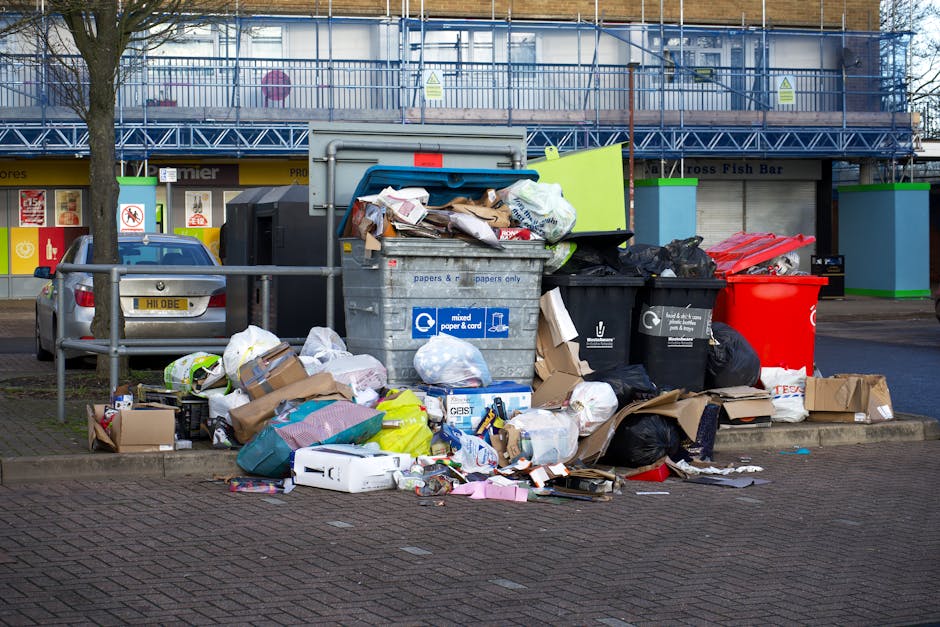
Fly tipping is not just a messy nuisance. In a place like South Kensington, it can create visible street clutter, block access, attract more dumping, and put residents under pressure from building managers, neighbours, or enforcement teams. One pile of abandoned rubbish has a way of growing into a whole issue. Let's face it, rubbish seems to multiply when no one wants to claim it.
For households, the danger is usually misunderstanding: leaving waste out too early, hiring an unlicensed operator, or assuming "someone else will deal with it". For businesses and landlords, the risk is broader. If a crew is not compliant, the paperwork trail gets weak, and you may struggle to show that your waste was handed over correctly. That can matter if a complaint lands on your desk later.
Rubbish crew compliance matters because it is the bridge between getting rid of waste and proving it was handled properly. In plain English, compliant crews should know what they are carrying, where it is going, and how to dispose of it responsibly. If they are vague, rushed, or cagey, that is usually a red flag. Not always, but usually.
South Kensington also has a practical reality that people often underestimate: narrow streets, busy traffic, tight parking, and properties with shared access. All of that makes sloppy waste handling more visible. A neat, documented collection is not a luxury here. It is part of doing the job properly.
For readers wanting broader context on the area and local living patterns, it can help to browse local views on Kensington living and the wider waste rules for homeowners in Kensington and Chelsea.
How fly tipping fines in South Kensington and rubbish crew compliance works
At a practical level, fly tipping enforcement usually starts with evidence. That evidence might be a location, CCTV, witness reports, vehicle details, packaging, or documents found in the waste itself. If a bag or box contains post with an address, or if a load can be traced back to a property, someone may get questions. Sometimes those questions are fair; sometimes they are a nasty surprise.
The key point is this: if you hand waste to a third party, you still need confidence that the third party is legitimate. A compliant rubbish crew should be able to explain what they do, how they transport waste, and what happens next. They should also be transparent about pricing, access constraints, and what happens if the load is larger or more complex than expected.
Rubbish crew compliance is not just about licence checks, though those are important. It also includes safe loading, sensible sorting, proper documentation, and realistic communication. A good crew will not promise the moon and then show up with no plan. In South Kensington, where collections can involve basements, communal entrances, or tightly parked roads, that planning matters even more.
If you are arranging removal for works, renovations, or a full clear-out, you may want to see the wider picture first through services overview and the more specific waste carrier licence and compliance page. Those pages help set expectations about what proper service should look like.
Here is the simple version:
- You identify the waste and how much there is.
- You choose a legitimate crew with the right operating standards.
- The crew loads and removes the waste safely.
- The waste is taken to an authorised destination for reuse, recycling, or disposal.
- You keep records or confirmation where appropriate.
That sounds basic, and it is. But getting those basics right is what prevents a lot of trouble later.
Key benefits and practical advantages
Doing this properly saves time, money, and stress. Not glamorous, but true.
- Lower risk of enforcement problems: Waste is less likely to end up dumped somewhere with your name attached to it.
- Cleaner property handovers: Useful for landlords, agents, and tenants moving out under time pressure.
- Better neighbour relations: Less mess, fewer complaints, and fewer awkward notes in the hallway.
- Safer collections: Proper crews handle heavy, sharp, or awkward items with care.
- More predictable costs: Clear pricing and compliant handling reduce surprise add-ons.
- Better recycling outcomes: Waste is more likely to be separated sensibly instead of treated as one giant mixed load.
In South Kensington especially, one of the biggest advantages is simplicity. A cluttered pavement outside a townhouse or apartment block can become a nuisance within minutes. If the crew is organised, the collection happens quietly, quickly, and without drawing the wrong kind of attention. That is worth a lot.
There is also a reputational piece. Businesses, managing agents, and hospitality venues in the area do not want waste issues hanging around. If you want a clearer route into planning, pricing and quotes can help you think through cost structure before you book anything.
Who this is for and when it makes sense
This topic matters to more people than you might think. If you live or work in South Kensington, you may need it sooner than you expect.
- Homeowners: clearing lofts, basements, old furniture, appliances, garden waste, or post-renovation debris.
- Landlords and letting agents: dealing with left-behind items after a tenancy or preparing a property for re-let.
- Businesses: offices, retailers, restaurants, galleries, and event spaces generating regular waste or one-off bulk clearances.
- Builders and trades: renovation waste, rip-outs, packaging, and heavy materials that need lawful handling.
- Residents on tight streets: where access, timing, and parking make careless rubbish removal a pain.
It also makes sense for anyone who is unsure whether a skip, a man-and-van collection, or a full clearance is the best fit. A lot of people default to the cheapest-looking option, then discover it is not actually the simplest one. Been there, seen that, heard the sighs.
If you are dealing with larger household items, these pages are useful for context: furniture removal in South Kensington, white goods and appliance disposal, and house clearance support.
Step-by-step guidance
If you want to stay compliant and avoid fly tipping headaches, work through the job in a steady order. No drama. Just good habits.
1. Identify the waste type
Separate general household waste, mixed bulky items, builder's waste, garden cuttings, appliances, and anything potentially hazardous. Different waste streams often require different handling. A sofa is not the same as rubble, and old paint tins are not the same as cardboard packaging.
2. Estimate the volume honestly
Underestimating waste is one of the easiest ways to create a dispute. If the crew arrives and the pile is double what you described, the job may change. Be honest about what is in the flat, basement, front room, or rear courtyard. Honest descriptions lead to smoother collections.
3. Check compliance basics before booking
Ask how the company handles waste transfer, what proof they provide, and whether they operate lawfully. You do not need a legal lecture. You just need clear answers. If those answers are fuzzy, keep looking.
4. Plan access, timing, and parking
South Kensington streets can be tight. A crew that knows how to work around narrow access, loading restrictions, or shared entrances is far more likely to finish without chaos. For nearby access challenges, see narrow street rubbish clearance solutions and pickup tips for Cromwell Road residents.
5. Keep your own records
Save booking confirmations, receipts, and any job notes. If something is questioned later, you want a paper trail. That simple habit is often what separates a tidy resolution from a frustrating back-and-forth.
6. Confirm where the waste will go
Compliant crews should not be vague about the waste destination. They may not need to give you a full lecture on site names, but they should be able to explain that the load goes through proper channels. If someone avoids the question, that is not ideal. Not by a long shot.
7. Inspect the area after collection
Do a quick visual check. Make sure no small fragments, plastic wrap, screws, or broken pieces have been left behind. A neat finish is part of a proper service, and you will notice the difference immediately.
Expert tips for better results
These are the little things that tend to save people from avoidable trouble.
First, never rely on a hand-wave about being "cheap and quick". That phrase sounds appealing, but in waste removal it sometimes means corners being cut somewhere else. Compliance, insurance, and disposal costs all have to be covered somehow.
Second, photograph the waste before collection. This is especially useful for shared buildings, rented properties, or any situation where you may need to prove what was present and when it was removed.
Third, ask about awkward items early. Mattresses, broken wardrobes, large appliances, and mixed builder's waste can change the handling plan. It is better to mention them upfront than to improvise on arrival.
Fourth, keep an eye on access windows. In a busy area, a crew turning up late can push a collection into a worse traffic window. Early morning or low-traffic periods often work more smoothly.
Fifth, think about reuse before disposal. If some items can be reused, donated, or separated for recycling, the load becomes easier to manage. That aligns well with recycling and sustainability practices.
Sixth, stay polite but direct. If a provider cannot explain compliance simply, ask again. Good operators do not mind clarity. In fact, they prefer it. Saves everyone time.
Common mistakes to avoid
A lot of fly tipping problems begin as small judgement errors. The annoying part is how ordinary they seem at the time.
- Leaving waste outside too early: even a tidy pile can become an issue if it sits around waiting.
- Using an unverified crew: if you cannot tell who is removing your waste, that is a problem.
- Mixing hazardous items with general waste: old chemicals, paint, batteries, and certain electrical items need special care.
- Assuming a low quote includes everything: hidden charges are a classic complaint. For more on that, see avoiding hidden junk removal charges.
- Ignoring booking details: a wrong postcode, access note, or load description can create delays.
- Not checking waste transfer paperwork: if something goes wrong, the lack of records makes life harder.
- Using a skip when access is awkward: sometimes a skip is the wrong tool for a tight street or short job. Read up on skip hire permits for landlords before deciding.
One more thing, and it sounds obvious until it isn't: do not let friends, tenants, contractors, or casual helpers dump material "just for now". Temporary can become permanent very quickly. And then everyone looks at everyone else. A classic.
Tools, resources and recommendations
You do not need a giant toolkit to handle this well. What you need is a small set of sensible habits and reference points.
| Resource | What it helps with | Why it matters |
|---|---|---|
| Job photos | Recording what is being removed | Useful if there is any later dispute |
| Booking notes | Access, timings, item list | Reduces misunderstandings and delays |
| Receipt or confirmation | Proof of service | Supports your records |
| Compliance page | Understanding legal handling basics | Helps you screen providers properly |
| Pricing guidance | Comparing value, not just headline cost | Stops you chasing a false bargain |
If you are comparing service options, these pages are worth a look: domestic waste collection, commercial waste removal, and builders waste removal. They help you match the service to the type of waste, which sounds obvious, but honestly gets overlooked all the time.
For trust and service confidence, it can also help to review about us, insurance and safety, and payment and security. Those pages are useful because waste removal is not just about lifting things; it is about who you are letting onto the property and how the transaction is handled.
Law, compliance, standards, or best practice
Waste handling in the UK is governed by legal and practical expectations that are designed to stop waste from being dumped irresponsibly. Without pretending every case is identical, the safest approach is straightforward: only use properly authorised services, keep a record of disposal where sensible, and do not hand waste to anyone who cannot explain their process.
Best practice usually includes the following:
- checking that the crew can demonstrate lawful collection and handling;
- keeping documentation for your own protection;
- making sure waste is stored securely before collection;
- separating recyclable items where practical;
- avoiding any arrangement that feels unofficial or "off the books".
For landlords and managing agents, compliance is even more important because the responsibility extends beyond a single clear-out. If a tenant leaves waste behind, or a contractor dumps waste improperly, the record trail becomes essential. You may find it helpful to review terms and conditions and privacy policy before booking, simply to understand how information, responsibilities, and service terms are handled.
As a rule of thumb, if a provider is reluctant to discuss compliance in plain English, that is your cue to slow down. A proper operator should be comfortable with scrutiny. They should not sound defensive about basic questions. A bit of confidence, yes. Mystery, no.
Options, methods, or comparison table
Choosing the right way to clear rubbish depends on volume, access, timing, and the type of items involved. Here is a practical comparison.
| Method | Best for | Pros | Watch out for |
|---|---|---|---|
| Man-and-van clearance | Bulky household items, mixed loads, quick clear-outs | Flexible, fast, good for tight access | Needs trustworthy compliance and clear pricing |
| Skip hire | Longer projects with enough space for placement | Useful for ongoing works, easy to load over time | May need permits and can be awkward on narrow streets |
| Scheduled collection | Routine domestic or commercial waste | Predictable and tidy | Less suitable for one-off bulky items |
| Full property clearance | End-of-tenancy, probate, major decluttering | Covers large volumes efficiently | Requires careful item sorting and access planning |
If the street is narrow, parking is tight, or you need a fast removal from a flat or townhouse, a flexible collection often works better than a skip. If the job is drawn out and you have space, a skip might make sense. There is no magic answer. The right method is the one that fits the site, not the one that sounds fashionable.

Case study or real-world example
Here is a realistic example from the kind of situation people in South Kensington run into all the time.
A flat is being emptied after a tenancy. There is one sofa, a dining table, two chairs, a broken chest of drawers, several bin bags, and a white good that no longer works. The building has a shared entrance, limited kerb space, and neighbours who are not exactly delighted by cluttered hallways. Everyone wants it done quickly. Naturally.
The sensible approach is to photograph the items, identify anything that needs special disposal, and book a compliant crew that understands access constraints. On the day, the team arrives on time, checks the load against the description, protects common areas, and removes everything in one visit. The landlord gets confirmation, the flat is ready for cleaning, and the neighbours barely notice.
Now imagine the opposite. The items are left outside "for later", the provider turns out to be vague about paperwork, and a few pieces remain behind because nobody agreed what was included. That is how disputes begin. Not with one huge failure. With several small ones.
That is why rubbish crew compliance matters so much. It turns a potentially messy clear-out into a predictable process. If you want a similar outcome for a full property, house clearance services are often the most practical starting point.
Practical checklist
Use this before you book any waste removal in South Kensington.
- List every item or waste type you want removed.
- Separate any electricals, sharp items, or potentially hazardous waste.
- Take clear photos of the load.
- Check access, parking, stairways, and building rules.
- Ask how the crew handles compliance and disposal.
- Confirm the price structure and what could change it.
- Keep written confirmation of the booking.
- Make sure the waste is stored safely until collection.
- Inspect the area after removal for leftover debris.
- File any receipt or job summary somewhere easy to find later.
Practical summary: if the crew is clear, the price is transparent, and the waste is handled properly, you reduce both legal risk and everyday friction. That is the whole game, really.
Get a free quote today and see how much you can save.
Conclusion
Fly tipping fines in South Kensington and rubbish crew compliance are really about one thing: proving that your waste leaves the property the right way. That means using legitimate operators, planning access properly, and keeping a record of what was removed. Do those things and the process becomes far less stressful than people expect.
In a neighbourhood like South Kensington, where streets are tight and standards are high, tidy waste handling is not just convenient. It is part of being a good neighbour, a careful landlord, or a responsible business owner. Small details matter here. They always do.
If you take nothing else from this guide, take this: avoid the vague option, ask a few direct questions, and trust the provider who can answer them plainly. That one habit saves a surprising amount of trouble. And, truth be told, it usually saves time too.

